

Kith, and retail’s identity issue
The c-word continues to be a big problem in retail for me.

Like most people in my world, I’m delighted to see the new Kith flagship on Regent Street in London.
It’s a huge space. It’s an enormous investment. It has an incredible looking restaurant.
It is inarguably a positive sign for physical retail in central London - a location that is still thriving despite facing many inevitable challenges over recent years.
However, I did find the entire experience a little hollow.
And for me, that isn’t about the quality of this brand, and this store (both great).
It’s because, as always seems to be the case with brands like this, I was told this was the home of the Kith “community”.
The c-word continues to be a big problem in retail for me.
A community shaped hole
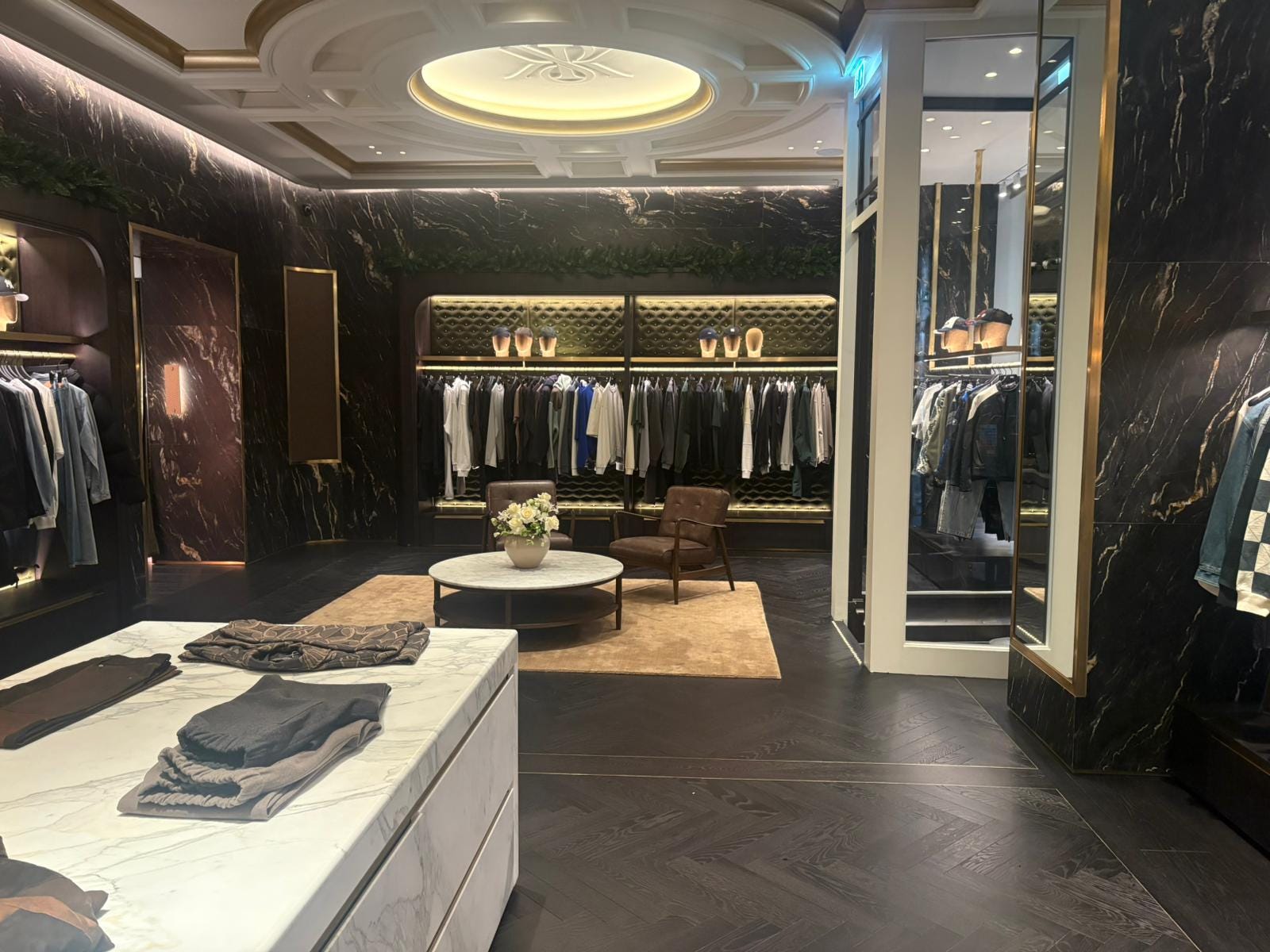
Call me old-fashioned, but I still believe in actual community. And that belief or understanding is primarily built outside of retail - as it should be.
Community is a table tennis club run by volunteers inside a local church, because it’s the only space that’s available and free to use.
It’s a bi-weekly gathering of perimenopausal women who get together in the park and dance to jungle music while their kids are at school.
It’s Games Workshop, if you want a retail example.
And at the heart of each (including Games Workshop - one of the world’s best retailers and I’ll die on that hill), is that the unifying experiences are non-transactional.
These are groups, brought together by shared interests and beliefs, who get together to share those interests and beliefs.
Now, as proven by Games Workshop, tapping into the idea of community therefore isn’t out of reach for retailers. But the fundamental experience in a space driven by community has to be non-transactional.
If the unifying experience is in fact buying a t-shirt, I can’t help but feel that the community is hollow - or perhaps, non-existent.
As a result, I found myself walking around Kith, trying to figure out what, exactly, the community experience here was.
An identity crisis
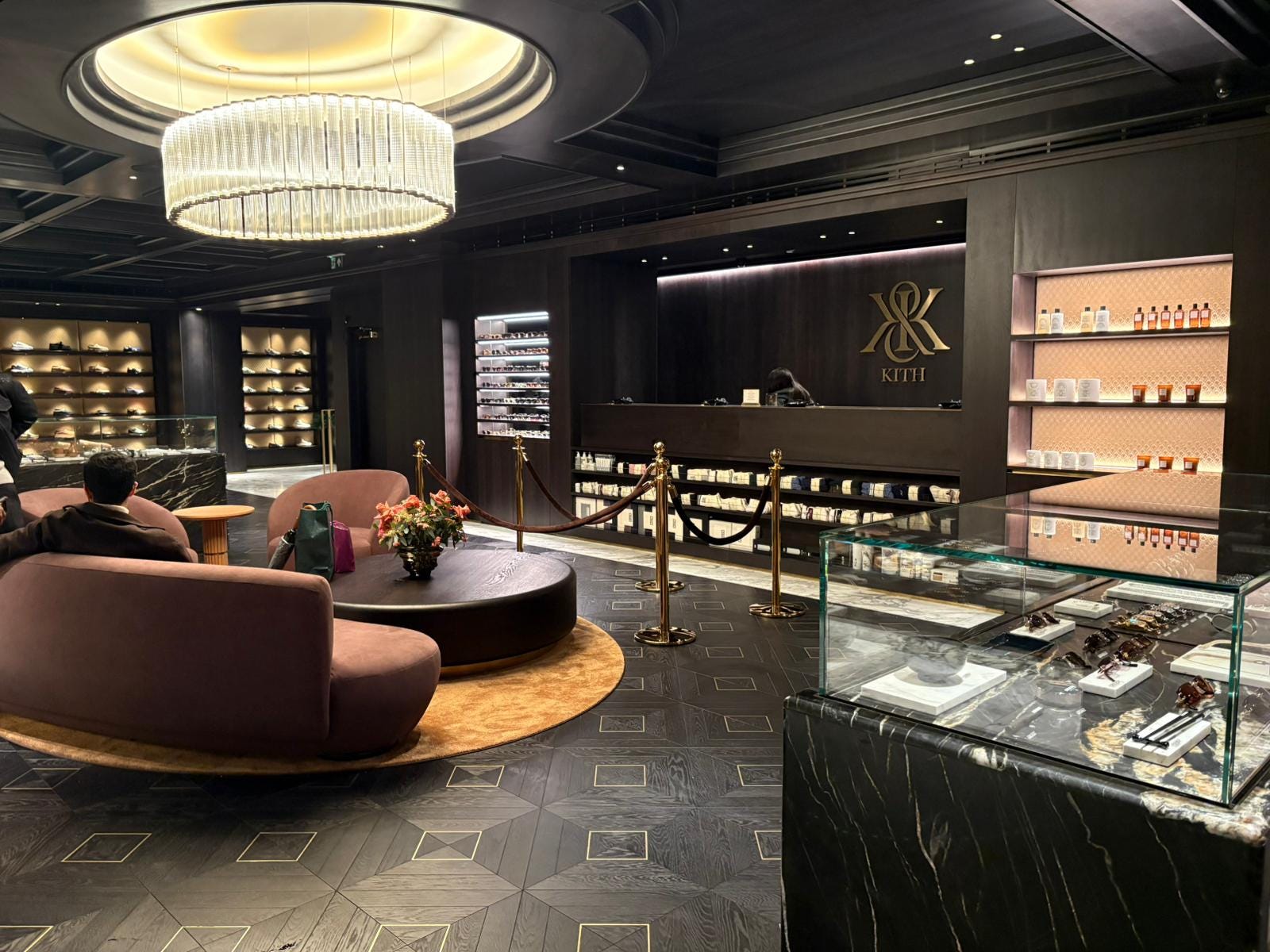
Having seen exactly this happening in retail over and over again, I propose a theory.
I think brands like Kith open beautiful looking stores, curate a product selection that entices, and promote everything with masterful online marketing.
In other words, they’re very, very good modern day retailers.
But evidently, they don’t want the world to see them purely in these terms. It isn’t enough to be seen as a brand that’s adept at getting a certain kind of person to spend lots of money with them.
Instead, they want to tap into a more vague sense of community and culture.
They want to transcend the filthy business of merely selling stuff to people (sometimes, let’s be honest, a demographic who can’t comfortably afford their stuff), and communicate a sense of being a little above and beyond it.
The c-word seems to achieve this quite efficiently these days.
No need to actually find unifying, meaningful, non-transactional experiences.
Just take a picture of a queue outside your store, say the c-word, and bingo. You’re no longer just a retailer.
So why are some retailers no longer comfortable with their place in the world?
A record store?
“Community” feels like low-hanging fruit when it comes to solving the problem of adding substance to a brand.
It’s an idea driven by a fragmented culture full of increasingly disenfranchised young people - young people who may well be cynical about a brand that just sells stuff, but evangelical about a brand that “shows up for the community”.
And my frustration isn’t with retailers adept at selling stuff. Anyone in retail who isn’t comfortable with capitalism is in the wrong industry.
My issue is the emptiness of it all.
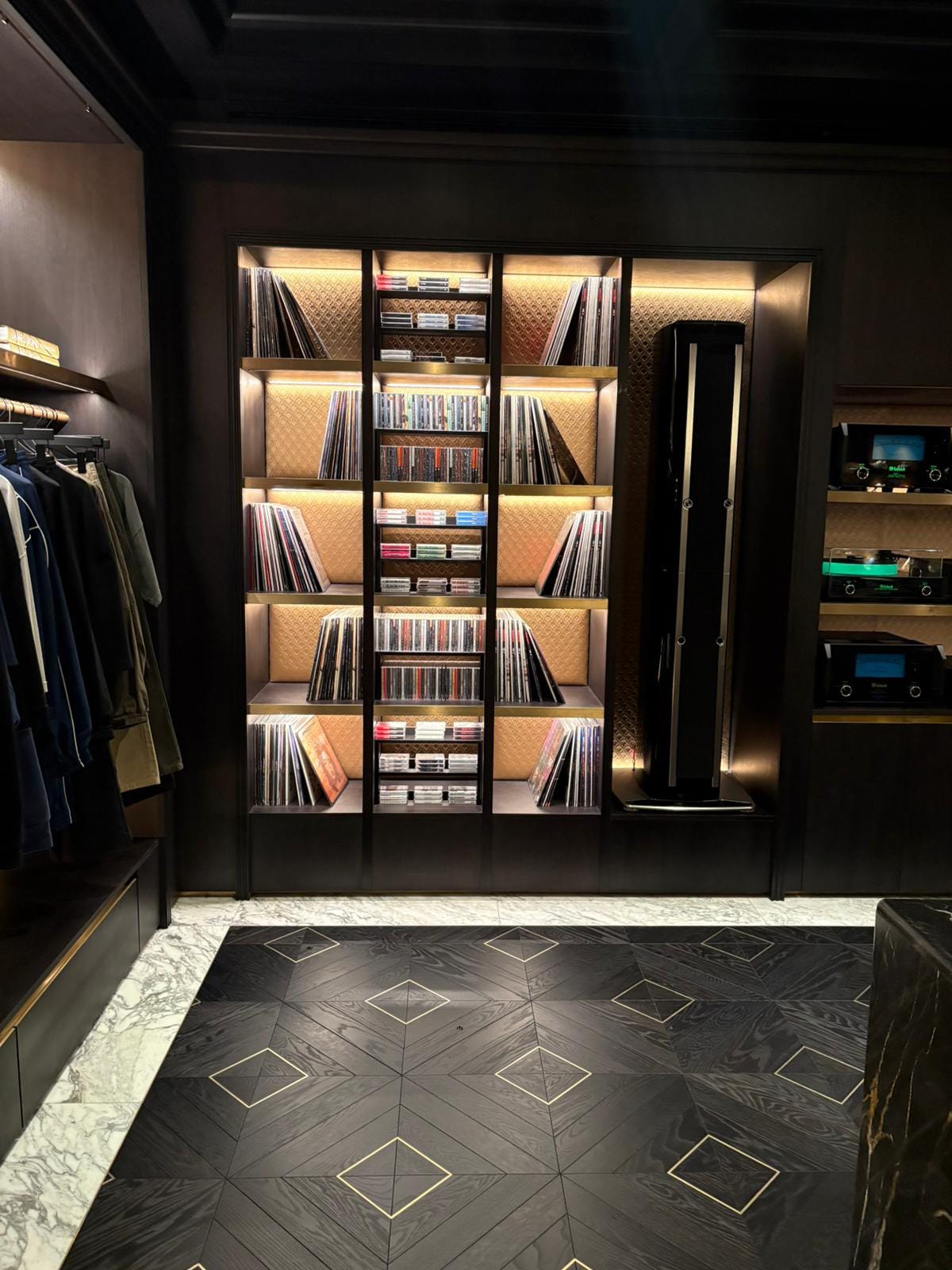
In some cases, that emptiness is entirely visible. Inside this beautiful flagship, for example, there was a “record store”. The vibe was intentionally communal - there were records, record players and plush seating areas.
But on closer inspection, no records were playing - nor could they be played. They were all shrink-wrapped, ready to be sold. In fact, they had been merchandised in a very peculiar way that almost deterred you from grabbing them.
Also, the selection was small and slightly mismatched to what I would assume the Kith audience to be. There were many copies of Radiohead’s Kid A, for example - and I’ll be honest, not a BBC 6 music dad (other than me) in sight (American friends - a “6-music dad” is a kind of 40+ white chap who wears Patagonia almost exclusively).
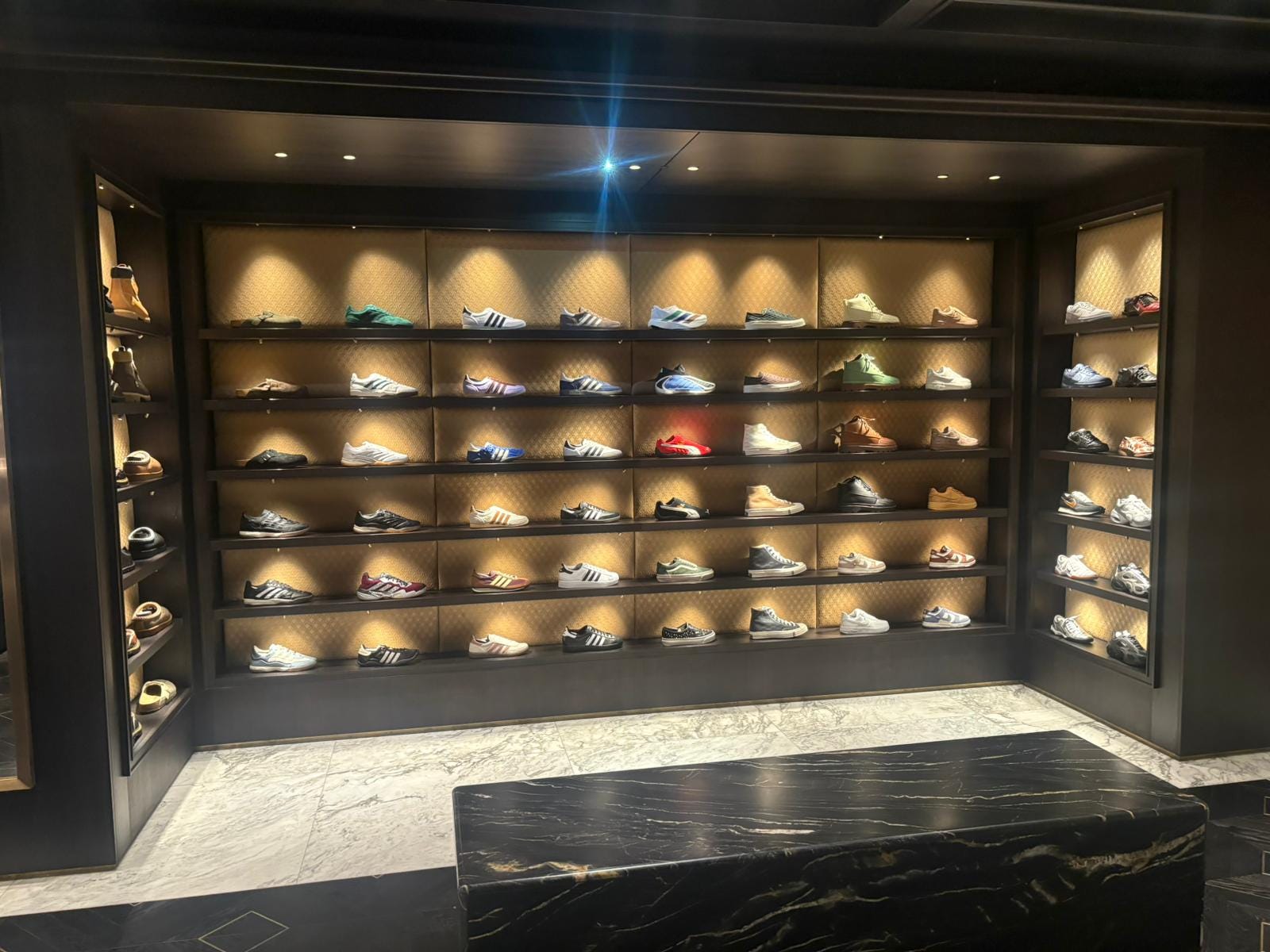
In London there are dozens of actual, amazing record stores that really are driven by community (and in actual fact, only really survive because of it).
None of this is to say that bigger retailers can’t do community meaningfully. Contrast Kith with Buck Mason’s new store in NYC, where you’ll find staff encouraging you to look through the well-worn records (all carefully selected stuff like Steely Dan that fits the target perfectly) and choose a track to play, then urging you to sit on one of the massive sofas, have a free drink and relax.
All non-transactional, and all very conducive to a communal experience.
There are countless other examples, from Lush frequently allowing takeovers of their spaces for local, non-profit events (these aren’t even marketed online - they just do it), to Gymshark doing free, expert-led workouts every day inside their flagship store.
Quit or commit
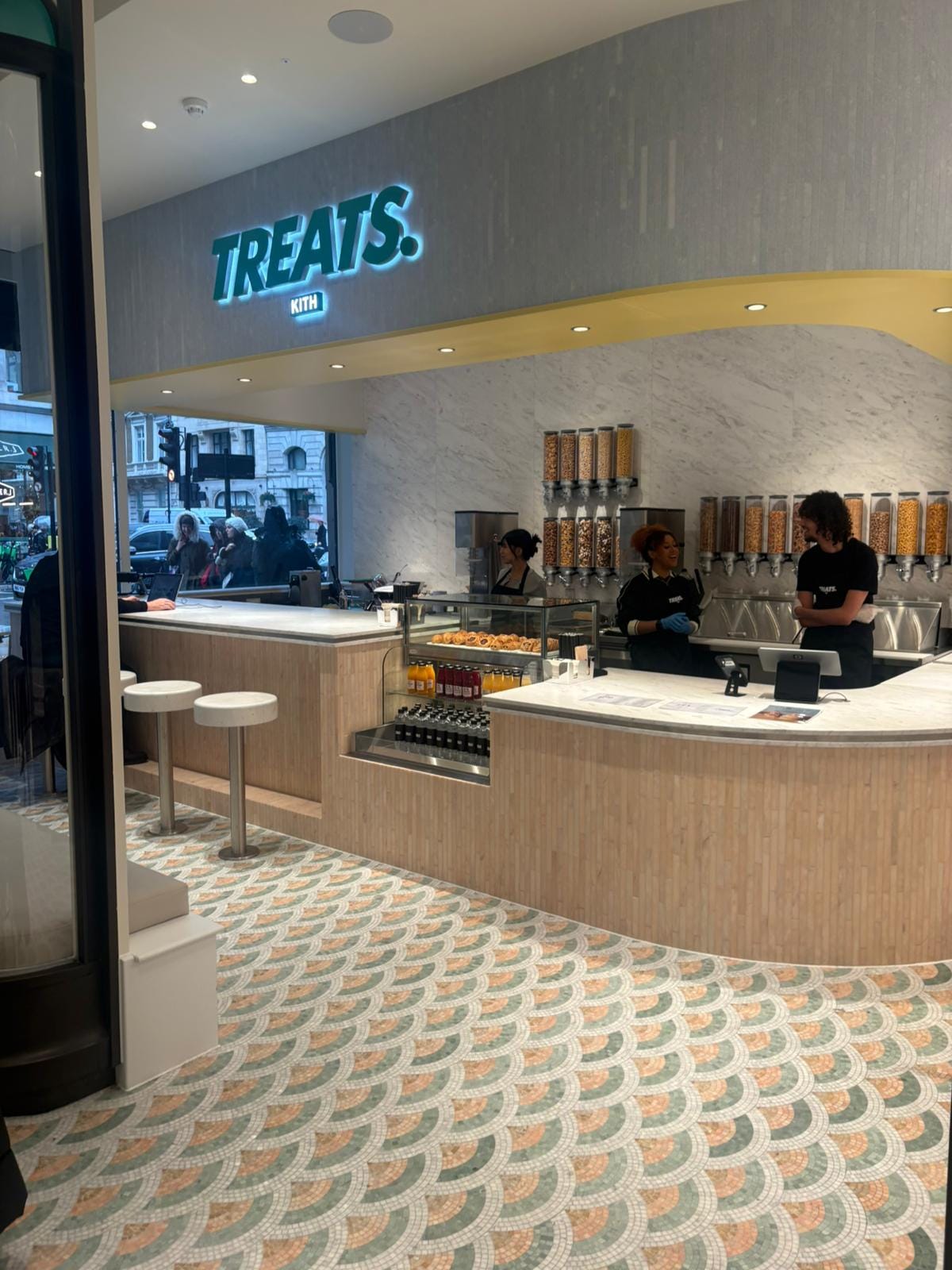
I think Kith is a great retailer. I think the new flagship is a lovely store. I will go to the restaurant.
But I just think brands who find themselves in this premium-ish streetwear category, promising community without really delivering it, need to do a bit of self-reflection.
There are two, very reasonable choices here.
Firstly, just accept you’re a quality retailer that sells quality stuff and own that. Rein in that ego, and enjoy your success.
Or secondly, actually create some meaningful, unifying non-transactional experiences that are distinct and emotionally driven.
And if you choose the second option, you have to commit to it totally. A sea of premium “community” brands is forming, and soon enough they will all look the same.
The c-word in retail is definitely a buzz word, and can be interpreted in so many ways. To me, when someone brings it up as a "strategy" - they intend the outcome to drive non-buying engagement from their customer base that ultimately leads to higher LTV. However, without a clear purpose or objective of the community that brands attempt to build... it just results in driving purchasing behavior. This looks like an example of that.